If you own a vehicle with a GM 6.0 engine, it's essential to keep an eye out for potential problems. Some common issues include oil consumption, engine misfires, and cooling system failures. These problems can lead to costly repairs or even engine failure if not addressed promptly. Regular maintenance and prompt attention to any issues can help extend the lifespan of your GM 6.0 engine.
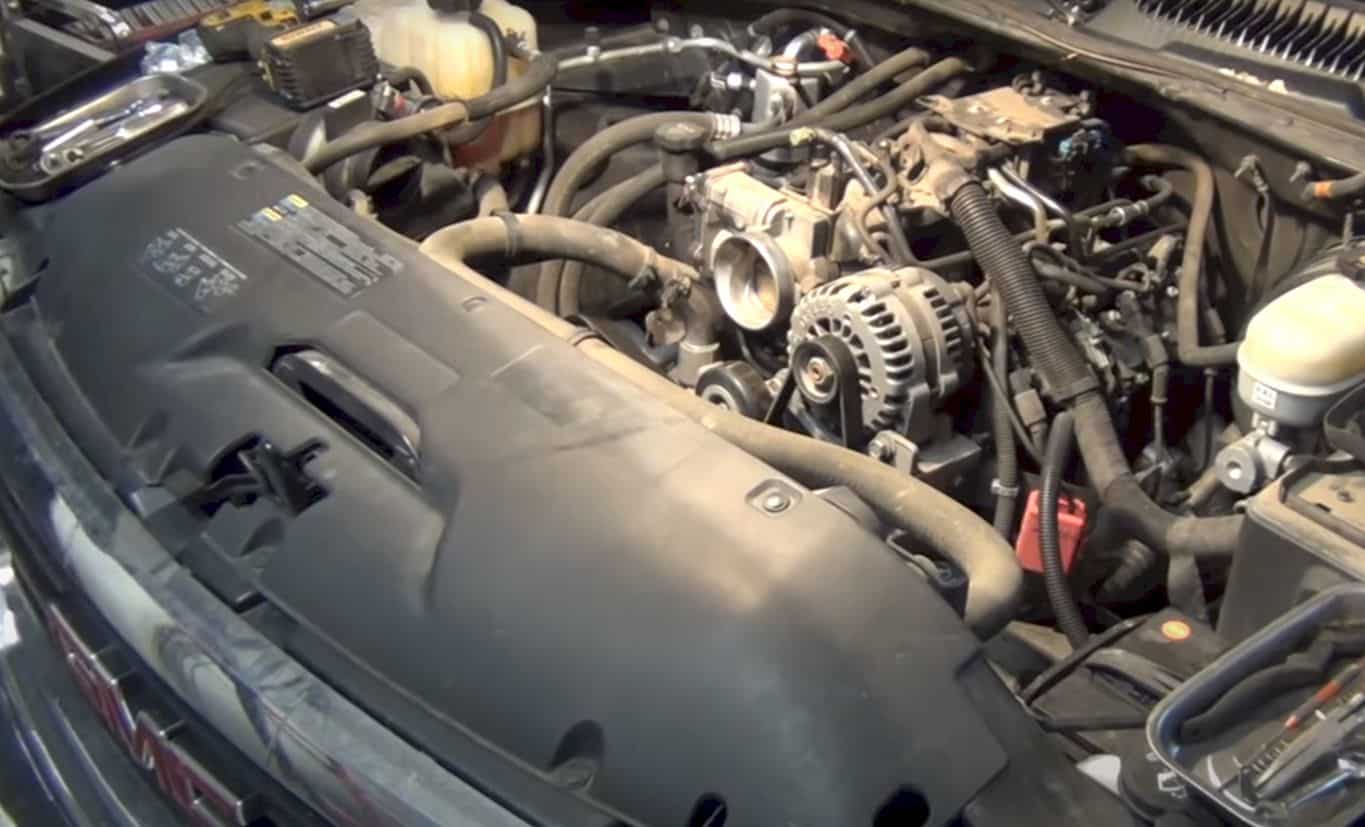
Common Issues with GM 6.0 Engine
If you own a vehicle with a GM 6.0 engine, you may be aware that it's a reliable engine that can provide good performance. However, like any other engine, it's not without its issues. Here are some of the most common issues that you should be aware of if you own a vehicle with a GM 6.0 engine.
1. Oil Consumption
One of the most common issues with the GM 6.0 engine is excessive oil consumption. This is a problem that has been reported by many GM owners, and it can be caused by a variety of factors. One possible cause of excessive oil consumption is a faulty PCV valve. This valve is responsible for regulating the flow of air through the engine, and if it's not functioning properly, it can cause oil to be consumed at an increased rate.
2. Coolant Leaks
Another common issue with the GM 6.0 engine is coolant leaks. These leaks can be caused by a variety of factors, including faulty gaskets, cracked cylinder heads, and damaged water pumps. Coolant leaks can cause the engine to overheat, which can lead to serious damage if not addressed promptly.
3. Timing Chain Issues
The GM 6.0 engine is also prone to timing chain issues. Timing chains are responsible for keeping the engine's valves and pistons in sync, and if they become loose or stretched, they can cause serious engine damage. Symptoms of timing chain issues include engine misfires, rough idling, and decreased performance.
4. Fuel Injector Problems
Fuel injector problems are another common issue with the GM 6.0 engine. A faulty fuel injector can cause a variety of problems, including decreased fuel efficiency, decreased power, and rough idling. If you notice any of these issues, it's important to have your vehicle inspected by a qualified mechanic.
5. Transmission Issues
Finally, the GM 6.0 engine is also prone to transmission issues. These issues can be caused by a variety of factors, including faulty transmission fluid, damaged transmission lines, and worn-out gears. Symptoms of transmission issues include difficulty shifting gears, slipping gears, and delayed engagement. In summary, the GM 6.0 engine is a reliable engine that can provide good performance. However, if you own a vehicle with this engine, it's important to be aware of these common issues so that you can address them promptly if they arise. By doing so, you can help ensure that your GM 6.0 engine remains in good condition for years to come.
Signs of GM 6.0 Engine Failure
The GM 6.0 engine is a popular engine used in many vehicles and is known for its durability and longevity. However, like any engine, it is prone to failure over time. Here are some of the signs of GM 6.0 engine failure:
1. Leaking coolant
One of the most common signs of GM 6.0 engine failure is leaking coolant. This can be caused by a variety of issues, including a cracked cylinder head or engine block, a blown head gasket, or a damaged radiator. If you notice coolant leaking from your engine, it’s important to have it inspected by a professional mechanic right away.
2. Engine overheating
If your GM 6.0 engine is overheating, it’s a clear sign that something is wrong. Overheating can be caused by a variety of issues, including a malfunctioning thermostat, a clogged radiator, or low coolant levels. If your engine is overheating, it’s important to address the issue right away to avoid more serious damage.
3. Engine knocking
Engine knocking is a common sign of GM 6.0 engine failure. It’s typically caused by worn bearings or a damaged crankshaft. If you notice a knocking sound coming from your engine, it’s important to have it inspected by a professional mechanic. Ignoring the problem can lead to more serious engine damage over time.
4. Poor performance
If your GM 6.0 engine is not performing as well as it used to, it could be a sign of engine failure. This can manifest as a lack of power, poor acceleration, or difficulty starting the engine. If you notice any of these issues, it’s important to have your engine inspected by a professional mechanic to determine the cause and prevent further damage.
5. Engine misfires
Finally, engine misfires are a common sign of GM 6.0 engine failure. This can be caused by a variety of issues, including faulty spark plugs or ignition coils, a clogged fuel injector, or a damaged fuel pump. If you notice your engine misfiring, it’s important to have it inspected by a professional mechanic to determine the underlying cause and prevent further damage. In summary, the signs of GM 6.0 engine failure include leaking coolant, engine overheating, engine knocking, poor performance, and engine misfires. If you notice any of these issues, it’s important to have your engine inspected by a professional mechanic right away to avoid more serious damage.
Troubleshooting GM 6.0 Engine Problems
If you own a GM vehicle with a 6.0 engine, you may have experienced some issues with the engine performance. However, before you can fix the problem, you first need to identify what is causing the issue. In this section, we will discuss some common problems that may arise with the 6.0 engine and how to troubleshoot them.
1. Misfires
One of the most common engine problems that 6.0 owners experience is misfires. Misfires can be caused by a number of issues, including faulty spark plugs, ignition coils, or fuel injectors. To troubleshoot misfires, you should start by checking the spark plugs. Look for any signs of wear or damage, and replace any that look suspect. If that doesn't solve the problem, move on to inspecting the ignition coils and fuel injectors. A faulty component will need to be replaced to fix the misfire issue.
2. Overheating
Overheating can be caused by a number of factors, including a malfunctioning thermostat, a low coolant level, or a faulty water pump. Before you attempt to troubleshoot an overheating issue, make sure that the engine is turned off and has cooled down. Once the engine is cool, check the coolant level and inspect the radiator for any signs of leaks. If the coolant level is low, top it off and check again for any leaks. If you suspect that the thermostat or water pump are causing the issue, consider taking your vehicle to a trusted mechanic.
3. Low Oil Pressure
Low oil pressure can be caused by a number of issues, including a clogged oil filter, a failing oil pump, or low oil levels. To troubleshoot low oil pressure, start by checking the oil level. If the oil level is low, top it off and check again for sufficient pressure. If the problem persists, the oil filter or oil pump may need replacing. This can be a more complex issue, so consider taking your vehicle to a mechanic for diagnosis and repair.
4. Rough Idling
A rough idle can be caused by a number of issues, including a clogged air filter, a dirty throttle body, or a faulty idle control valve. To troubleshoot rough idling, start by inspecting the air filter and replacing it if necessary. Next, inspect the throttle body for any signs of dirt or debris, and clean it if necessary. If the issue is still not resolved, the idle control valve may need replacing. In summary, troubleshooting GM 6.0 engine problems can be challenging, but with a bit of patience and knowledge, you can identify and fix the issue. Keep in mind that some issues may require professional diagnosis and repair, so don't hesitate to seek out a trusted mechanic if necessary. By taking care of your engine and addressing issues promptly, you can ensure that your GM vehicle runs smoothly for years to come.
Top Reasons for GM 6.0 Engine Breakdowns
The GM 6.0 engine is a powerful engine that provides great performance, but it is not immune to breakdowns. Here are some of the top reasons why GM 6.0 engines break down:
Lack of Proper Maintenance
One of the most common reasons why GM 6.0 engines break down is a lack of proper maintenance. This engine needs regular oil changes, tune-ups, and other routine maintenance to keep it running smoothly. When owners neglect these maintenance tasks, the engine can become damaged and eventually fail. Make sure to follow the recommended maintenance schedule in your owner's manual to avoid engine breakdowns.
Overheating
The GM 6.0 engine is designed to run at a specific temperature range. If the engine overheats, the internal components can become damaged, which can lead to engine failure. Overheating can be caused by a variety of factors, such as a malfunctioning cooling system, a faulty thermostat, or a lack of coolant. If you notice that your engine is running hot, it's important to get the issue addressed as soon as possible to prevent further damage.
Oil Leaks
Oil is essential to the proper functioning of a GM 6.0 engine. When oil leaks occur, it can cause the engine to run poorly or even seize up. Oil leaks can be caused by a variety of issues, such as a faulty oil pan gasket, a damaged oil filter, or a cracked engine block. Regularly checking for oil leaks and addressing them promptly can help prevent engine breakdowns.
Timing Chain Issues
The timing chain in a GM 6.0 engine is responsible for keeping the camshaft and crankshaft in sync. When the timing chain wears down or stretches, it can cause the engine to run poorly or not at all. If you hear a ticking noise coming from your engine or notice that it's running poorly, it's important to have the timing chain checked and replaced if necessary.
Bad Fuel Injectors
Fuel injectors are responsible for delivering fuel to the engine's combustion chambers. When the fuel injectors become clogged or damaged, the engine can run poorly or not at all. Signs of bad fuel injectors include a rough idle, poor acceleration, and decreased fuel efficiency.
If you suspect that your fuel injectors are faulty, have them checked and replaced by a professional mechanic. In summary, GM 6.0 engines can break down for a variety of reasons. To avoid these issues, make sure to follow the recommended maintenance schedule, monitor your engine's temperature, check for oil leaks, have the timing chain checked, and replace faulty fuel injectors promptly. By taking these steps, you can help ensure that your GM 6.0 engine runs smoothly and lasts for years to come.
Preventing GM 6.0 Engine Problems
GM 6.0 engines are known for their durability and reliability, but like any engine, they can develop problems over time. Here are some tips to help you prevent GM 6.0 engine problems:
1. Regular Maintenance
One of the best ways to prevent engine problems is to keep up with regular maintenance. This includes oil changes, air filter replacements, and spark plug replacements. By following the recommended maintenance schedule in your owner's manual, you can catch potential problems early and prevent more serious issues down the road.
2. Check the Cooling System
The cooling system in your GM 6.0 engine is crucial to its performance and longevity. Make sure to check the coolant level regularly and inspect the hoses and radiator for any signs of leaks or damage. Overheating can cause serious damage to your engine, so it is important to address any cooling system issues as soon as possible.
3. Use High-Quality Fuel and Oil
Using high-quality fuel and oil can help prevent engine problems in the long run. Low-quality fuel can contain contaminants that can damage your engine, while low-quality oil can break down more quickly and lead to increased wear and tear. Make sure to use the recommended fuel and oil for your GM 6.0 engine.
4. Address Warning Signs Immediately
If you notice any warning signs of engine problems, such as strange noises, reduced performance, or warning lights on your dashboard, it is important to address them immediately. Ignoring these signs can lead to more serious and expensive problems down the road.
5. Avoid Overloading
Finally, it is important to avoid overloading your GM 6.0 engine. Overloading can cause excessive wear and tear on the engine and lead to premature failure. Make sure to follow the recommended weight limits for your vehicle and avoid towing or carrying more than your engine can handle. In summary, following these tips can help prevent GM 6.0 engine problems and keep your vehicle running smoothly for years to come. By keeping up with regular maintenance, checking the cooling system, using high-quality fuel and oil, addressing warning signs immediately, and avoiding overloading, you can help ensure the longevity and durability of your GM 6.0 engine.
Repairing GM 6.0 Engine: Cost and Considerations
If you own a vehicle with a GM 6.0 engine, it's important to know the potential costs associated with repairing it. While it's a durable and reliable engine, like any other engine, it may require repairs throughout its lifespan. In this section, we'll delve into the cost and considerations of repairing a GM 6.0 engine.
Repairing vs Replacing
The first thing to consider when your GM 6.0 engine needs repair is whether to repair or replace it. If the damage is minor and can be fixed with a simple repair, it may be more cost-effective to repair the engine. However, if the damage is severe and extensive, replacing the engine may be the more practical option.
Cost of Engine Repair
The cost of repairing a GM 6.0 engine will depend on the extent of the damage and the required repairs. Minor repairs such as replacing spark plugs or replacing a damaged belt may cost a few hundred dollars. However, major repairs such as a blown head gasket or engine rebuild can cost several thousand dollars.
Engine Rebuild Cost
If your engine requires a rebuild, the cost can vary greatly depending on the type of rebuild required. A basic rebuild that includes replacing the bearings, piston rings, and gaskets may cost anywhere from $2,500 to $4,000. However, a more extensive rebuild that includes boring out the cylinders, replacing the camshaft and lifters, and installing new valves and rockers can cost upwards of $6,000.
Considerations When Repairing GM 6.0 Engine
When considering repairing your GM 6.0 engine, there are a few important factors to keep in mind:
- Vehicle Age: If your vehicle is older and has high mileage, it may not be worth investing a large amount of money into engine repairs. It may be more practical to replace the vehicle instead.
- Manufacturer Warranty: If your vehicle is still under the manufacturer's warranty, it may be more practical to have the repairs done by the dealership to avoid voiding the warranty.
- Quality of Repairs: When repairing your engine, it's important to ensure that quality parts and skilled labor are used to ensure the longevity of the engine.
In summary, repairing a GM 6.0 engine can range from a simple repair that costs a few hundred dollars to a complete engine rebuild that costs several thousand dollars. When considering repairs, it's important to weigh the cost of repairs against the age and value of the vehicle, the manufacturer's warranty, and the quality of repairs.
Frequently Asked Questions about GM 6.0 Engine Problems
General Motors 6.0L V8 engine is a popular choice for pickup trucks and SUVs, but like any other machine, it can experience problems. Here are answers to some of the frequently asked questions about the GM 6.0 engine problems:
1. What are the symptoms of a failing GM 6.0 engine?
A failing GM 6.0 engine can show various symptoms, including:
- Engine misfires
- Loss of power
- Poor fuel economy
- Difficulty starting the engine
- Excessive oil consumption
- Engine knocking or ticking sounds
2. What causes the GM 6.0 engine to fail?
There are various reasons why a GM 6.0 engine might fail, including:
- Improper maintenance
- Overheating
- Worn out parts
- Oil contamination
- Defective sensors or components
3. How much does it cost to fix a failing GM 6.0 engine?
The cost of fixing a failing GM 6.0 engine can vary depending on the extent of the damage and the specific repairs needed. Minor repairs can cost a few hundred dollars, while major engine overhauls can cost several thousand dollars or more.
4. Is there a recall for GM 6.0 engine problems?
While there have been complaints about GM 6.0 engine problems, there hasn't been a widespread recall for these issues. However, GM has issued several technical service bulletins for various engine issues, and some vehicles may be covered under warranty.
5. How can I prevent GM 6.0 engine problems?
Regular maintenance is the key to preventing GM 6.0 engine problems. Some of the maintenance tasks that can help keep your engine running smoothly include:
- Regular oil changes
- Replacing worn out belts and hoses
- Replacing dirty or clogged air filters
- Replacing spark plugs and wires as needed
- Keeping the engine cool by monitoring the coolant levels and ensuring proper airflow
6. Can I still drive my vehicle if the GM 6.0 engine is failing?
It's not recommended to drive a vehicle with a failing GM 6.0 engine, as it can cause further damage and potentially be dangerous. If you notice any of the symptoms of a failing engine, it's best to have it inspected by a qualified mechanic as soon as possible.
7. What vehicles use the GM 6.0 engine?
The GM 6.0 engine is commonly found in pickup trucks and SUVs from various brands, including:
- Chevrolet Silverado
- GMC Sierra
- Chevrolet Tahoe
- GMC Yukon
- Chevrolet Suburban
- GMC Yukon XL
In summary, the GM 6.0 engine is a popular choice for pickup trucks and SUVs, but it can experience various problems, including engine misfires, loss of power, and poor fuel
Understanding the GM 6.0 Engine: Specs and Features
General Motors (GM) is one of the leading automobile manufacturers in the world with a reputation for quality and performance. The GM 6.0 engine is a powerful and reliable V8 engine that has been a popular choice for a variety of applications.
Overview
The GM 6.0 engine is part of the Vortec series of engines that have been in production since 1999. The Vortec engine family is known for its innovative design, high performance, and fuel efficiency. The 6.0 engine is a gasoline-powered engine that is capable of producing up to 360 horsepower and 380 lb-ft of torque.
Specs
The GM 6.0 engine has a displacement of 6.0 liters, which is approximately 366 cubic inches. It features a cast-iron block and cylinder heads, an overhead valve (OHV) configuration, and a bore and stroke of 4.00 inches by 3.62 inches. The engine has a compression ratio of 9.4:1, a sequential fuel injection system, and a hydraulic roller camshaft. The engine is designed for use with regular unleaded fuel and has a fuel capacity of 34 gallons. It has a maximum payload capacity of 3,760 pounds, a maximum towing capacity of 10,000 pounds, and a maximum gross vehicle weight rating (GVWR) of 14,000 pounds.
Features
The GM 6.0 engine is equipped with a range of features that enhance its performance and reliability. These features include:
- Active Fuel Management (AFM) – This feature allows the engine to alternate between eight-cylinder and four-cylinder operation based on the driving conditions, which helps to improve fuel efficiency.
- Variable Valve Timing (VVT) – This feature adjusts the timing of the intake and exhaust valves to optimize engine performance and efficiency.
- Direct Injection – This feature delivers fuel directly into the combustion chamber, which helps to improve fuel efficiency and reduce emissions.
- Cast-Aluminum Pistons – These lightweight pistons help to reduce friction and improve performance.
- Oil Cooler – The engine is equipped with an oil cooler that helps to keep the engine oil at a consistent temperature, which helps to improve engine performance and increase longevity.
Applications
The GM 6.0 engine has been used in a variety of applications, including:
- Full-size pickup trucks, such as the Chevrolet Silverado and GMC Sierra
- Sport utility vehicles, such as the Chevrolet Suburban and Tahoe, as well as the GMC Yukon and Yukon XL
- Commercial and fleet vehicles, such as the Chevrolet Express and GMC Savana
- Boats and marine applications, as the engine is well-suited for use in watercraft due to its durability and reliability.
In summary, the GM 6.0 engine is a powerful and reliable V8 engine that has been a popular choice for a variety of applications. With its innovative features, such as Active Fuel Management and Variable Valve Timing, the 6.0 engine delivers impressive performance and fuel efficiency. Whether you're looking for a new engine for your pickup truck, SUV, or commercial vehicle, the GM 6.0 engine is a great choice.
Recent Recalls and Technical Service Bulletins for GM 6.0 Engine
If you own or operate a vehicle equipped with a GM 6.0 engine, it is crucial to stay informed of any recent recalls or technical service bulletins that may affect your vehicle's performance and safety. Here are some recent recalls and technical service bulletins you should be aware of:
Recalls:
In November 2020, General Motors issued a recall for certain 2020 Chevrolet Silverado 2500 and 3500 and GMC Sierra 2500 and 3500 vehicles equipped with the 6.6-liter Duramax diesel engine and optional engine-block heaters. The recall was issued due to a potential fire risk caused by engine-block heater cords that may short-circuit and cause a fire.
In December 2019, General Motors issued a recall for certain 2019 Chevrolet Silverado 1500, Cadillac CT6, and GMC Sierra 1500 vehicles equipped with the 6.2-liter engine. The recall was issued due to a potential software error that may cause the vehicle's electronic brake control module to disable the electronic stability control, increasing the risk of a crash.
Technical Service Bulletins:
- In February 2021, General Motors issued a technical service bulletin for certain 2021 Chevrolet Silverado and GMC Sierra vehicles equipped with the 6.2-liter engine. The bulletin was issued due to a potential issue with the engine's valve guides that may cause a knocking noise and reduced engine performance.
- In November 2020, General Motors issued a technical service bulletin for certain 2021 Chevrolet Silverado and GMC Sierra vehicles equipped with the 6.2-liter engine. The bulletin was issued due to a potential issue with the engine's fuel injector control module that may cause a rough idle and reduced engine performance. As a vehicle owner, it is your responsibility to stay informed of any recalls or technical service bulletins that may affect your vehicle. If you believe your vehicle may be affected by a recall or technical service bulletin, contact your local General Motors dealership or authorized repair center for assistance.
Upgrading GM 6.0 Engine: What You Need to Know
Are you looking to upgrade your GM 6.0 engine? If so, you're in the right place. Upgrading your engine can improve performance, increase power, and provide better fuel efficiency. In this section, we'll review some of the most important things to consider when upgrading your GM 6.0 engine.
1. Determine Your Goals
Before upgrading your GM 6.0 engine, it's crucial to determine your goals. Do you want to improve performance for racing or towing? Or are you looking for better fuel efficiency for daily driving? By setting goals, you can determine the best upgrades to suit your needs.
2. Upgrade the Air Intake
Upgrading your air intake is one of the most effective ways to improve your GM 6.0 engine's performance. A high-flow air intake system can increase airflow, which can lead to more horsepower and improved fuel efficiency.
3. Upgrade the Exhaust System
Upgrading your exhaust system can also improve performance by increasing airflow and reducing backpressure. Aftermarket exhaust systems can also enhance the sound of your engine.
4. Upgrade the Fuel System
Upgrading your fuel system can also improve your GM 6.0 engine's performance. High-performance fuel injectors and a high-flow fuel pump can provide more fuel to the engine, which can increase horsepower and torque.
5. Upgrade the Ignition System
Upgrading your ignition system can improve performance and fuel efficiency. High-performance ignition coils and spark plugs can provide a stronger spark, which can lead to better combustion and improved fuel efficiency.
6. Upgrade the Engine Control Unit (ECU)
Upgrading your ECU can provide more control over your engine's performance. Aftermarket ECUs can adjust fuel and ignition timing, increase rev limits, and provide better control over the engine's performance.
7. Upgrade the Camshaft
Upgrading your camshaft can increase power and performance. High-performance camshafts can increase valve lift and duration, which can lead to more horsepower and torque.
8. Upgrade the Cylinder Heads
Upgrading your cylinder heads can provide better airflow and combustion. High-performance cylinder heads can increase horsepower and torque by improving the engine's ability to breathe. In summary, upgrading your GM 6.0 engine can provide significant improvements in performance, power, and fuel efficiency. By determining your goals and choosing the right upgrades, you can achieve the desired results. Consider upgrading the air intake, exhaust system, fuel system, ignition system, ECU, camshaft, and cylinder heads for maximum performance.

FAQs about GM 6.0 Engine Problems
What are some common problems with GM 6.0 engines?
Some common problems with GM 6.0 engines include oil consumption, lifter failure, and issues with the variable valve timing system. Additionally, some owners have reported problems with engine knocking and misfiring.
What causes oil consumption in GM 6.0 engines?
Oil consumption in GM 6.0 engines can be caused by worn or damaged piston rings, faulty valve seals, or a clogged PCV valve. It is important to address oil consumption issues promptly to avoid engine damage.
How can I prevent lifter failure in my GM 6.0 engine?
To prevent lifter failure in your GM 6.0 engine, it is important to follow the manufacturer's recommended maintenance schedule, including regular oil changes and filter replacement. Additionally, avoiding heavy loads and high-speed driving can help reduce wear on engine components.
Conclusion
GM 6.0 engines are known for their power, durability, and reliability. However, even the best engines can have some problems that require attention. One of the most common problems with the GM 6.0 engine is the formation of sludge. This can lead to reduced engine performance, increased oil consumption, and even engine failure. Fortunately, regular oil changes and engine flushes can help prevent sludge buildup and keep your engine running smoothly.
Another issue that GM 6.0 engine owners may face is a faulty fuel pump. This can cause engine stalling, poor performance, and even prevent the engine from starting. In such cases, it is important to replace the fuel pump with a high-quality replacement part to avoid future problems.
Comments
Post a Comment