If your GMC has ever experienced reduced engine power, you know how frustrating it can be. Luckily, resetting the warning is a quick and easy process. This can be especially helpful if you want to avoid taking your vehicle to a mechanic. By following a few simple steps, you can reset the reduced engine power warning and get back on the road with confidence. Read on to learn more about how to reset this warning on your GMC.
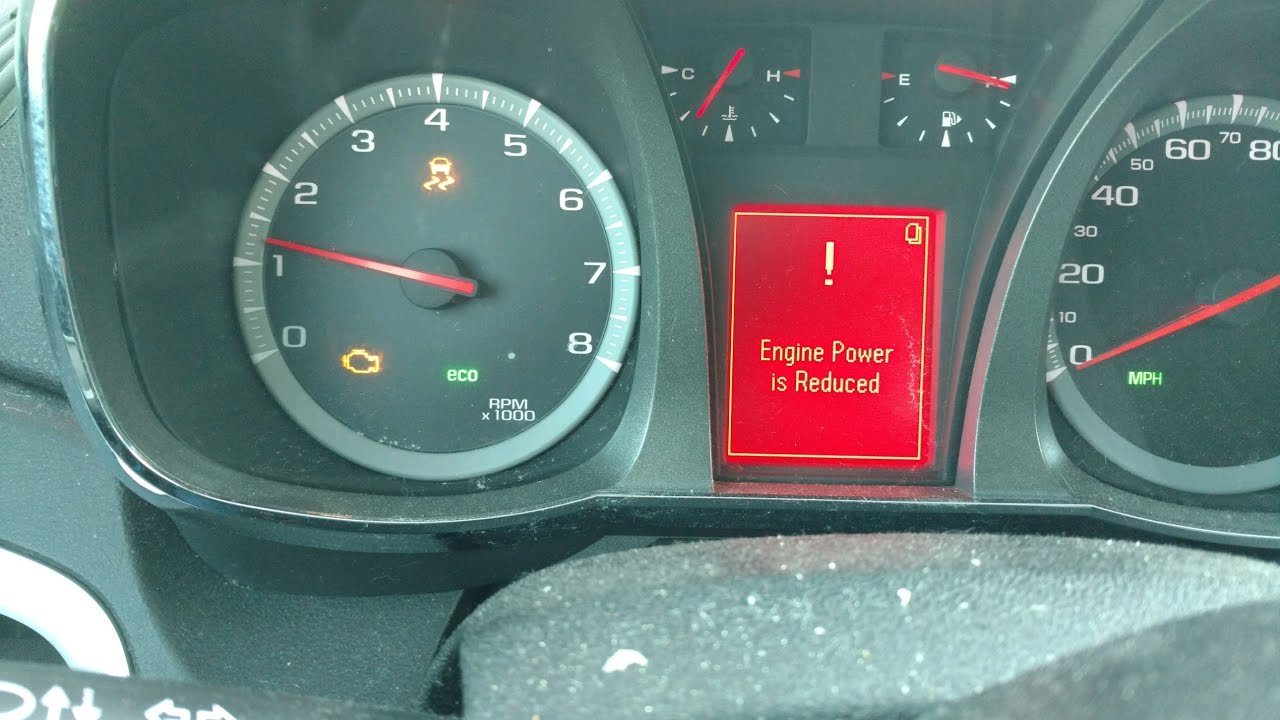
Reasons for GMC Reduced Engine Power
If you own a GMC vehicle and you have ever encountered the "Reduced Engine Power" warning message, then you know how frustrating it can be. This warning means that the car's engine is being operated in a restricted or limited mode, which can cause a significant decrease in performance. Here are some of the reasons why you might see this warning on your GMC.
Clogged Air Filter
One common reason why you might see the "Reduced Engine Power" warning on your GMC is a clogged air filter. When the air filter becomes dirty, it blocks the free flow of air into the engine, causing a reduction in engine power. This can also lead to other problems like reduced fuel efficiency, increased emissions, and engine stalling.
Throttle Body Issues
Another reason for GMC Reduced Engine Power is due to throttle body issues. Your car's throttle body is responsible for controlling the amount of air that enters the engine. If it gets clogged or dirty, then it can cause problems with the engine's performance. In some cases, the throttle body can also become stuck, causing the engine to go into reduced power mode.
Faulty Accelerator Pedal Position Sensor
If the accelerator pedal position sensor in your GMC is faulty, then it can cause the engine to go into reduced power mode. This sensor is responsible for sending information about the position of the accelerator pedal to the car's computer. If it fails, then the computer will not receive accurate information and may limit the engine's power.
Faulty Throttle Position Sensor
A faulty throttle position sensor can also cause the "Reduced Engine Power" warning on your GMC. This sensor is responsible for monitoring the position of the throttle valve and sending information to the car's computer. If it fails, then the computer may not receive the correct information and limit the engine's power.
Faulty Mass Air Flow Sensor
The mass air flow (MAF) sensor is responsible for measuring the amount of air entering the engine. If it's faulty, then it can cause the car's computer to receive inaccurate information and limit the engine's power. In some cases, the MAF sensor can also become clogged with dirt and debris, which can cause similar problems. In summary, there are several reasons why you might see the "Reduced Engine Power" warning on your GMC. These include a clogged air filter, throttle body issues, faulty accelerator pedal position sensor, faulty throttle position sensor, and a faulty mass air flow sensor. If you encounter this warning, it's essential to take your car to a certified GMC technician for proper diagnosis and repairs to avoid further damage to your engine.
How to Reset GMC Reduced Engine Power
If you are a GMC owner, then you might have experienced the Reduced Engine Power (REP) problem at some point. It is a common issue that many GMC drivers face. The Reduced Engine Power issue is indicated by a warning light that appears on the dashboard. When this happens, the GMC will enter into a "limp mode," where the vehicle’s power is significantly reduced, allowing the driver to pull over safely. Many GMC owners have reported that resetting the vehicle’s computer system can solve the Reduced Engine Power issue. In this guide, we will show you how to reset the GMC computer system to fix the Reduced Engine Power problem.
Step by Step Instructions
- Turn off the engine of your GMC and remove the key from the ignition.
- Open the hood of your vehicle and find the battery.
- Disconnect the negative battery cable from the battery terminal.
- Wait for at least 15 minutes to allow the computer system to reset.
- Reconnect the negative battery cable back to the battery terminal.
- Turn on the ignition without starting the engine.
- Wait for at least 10 seconds, then turn off the ignition.
- Start the engine of your GMC, and the Reduced Engine Power issue should be resolved.
Additional Tips
If the Reduced Engine Power issue persists even after resetting the computer system, it may indicate a more serious underlying problem, such as a malfunctioning throttle body, bad accelerator pedal position sensor, or a damaged wiring harness. In such cases, it is best to take your GMC to a professional mechanic for a thorough inspection and repair. Furthermore, it is essential to ensure that your vehicle receives regular maintenance to prevent the Reduced Engine Power issue and other potential problems.
Regular engine oil changes, air filter replacement, and spark plug replacement can help improve the performance and reliability of your GMC. Also, ensure that you only use quality gasoline and keep the fuel system clean to prevent engine problems. In summary, resetting the GMC computer system can be a simple and effective solution to the Reduced Engine Power issue. However, if the problem persists, it is best to take your vehicle to a professional mechanic for proper diagnosis and repair. Remember to keep your GMC well-maintained to prevent any future issues.
Common Symptoms of Reduced Engine Power in GMC Vehicles
GMC vehicles are known for their power and performance. However, sometimes, the vehicles may experience a reduction in engine power, which can affect their performance and overall driving experience. Here are some common symptoms of reduced engine power in GMC vehicles:
1. Check Engine Light On
When there is a reduction in engine power, the check engine light will illuminate on the dashboard. This is an important indicator that there is a problem with the engine and needs to be diagnosed and repaired immediately.
2. Slow Acceleration
Another common symptom of reduced engine power is slow acceleration. The vehicle may take longer to reach its desired speed, and the acceleration may feel weak or sluggish.
3. Reduced Maximum Speed
If there is a reduction in engine power, the maximum speed of the vehicle will also be affected. The vehicle may not be able to reach its usual top speed and may struggle to maintain a steady speed.
4. Poor Fuel Economy
Reduced engine power can also have a negative effect on fuel economy. The vehicle may use more fuel than usual, and the miles per gallon (MPG) may be lower than expected.
5. Engine Stalling
In some cases, reduced engine power can cause the engine to stall. This is a dangerous situation, as it can happen at any time, including while driving on the highway. If any of these symptoms are experienced, it is important to have the vehicle inspected by a professional mechanic. The underlying cause of the reduction in engine power should be diagnosed and repaired as soon as possible to prevent further damage and ensure the safety of the occupants.
Understanding GMC Electronic Throttle Control System
GMC Electronic Throttle Control (ETC) system is a modern technology that replaced the traditional throttle cable. In the past, vehicles used a mechanical throttle cable to regulate the flow of air and fuel into the engine. However, this system was replaced by the ETC system, which uses digital sensors to regulate the throttle opening. This system is now used in many vehicles, including GMC models.
How Does Electronic Throttle Control Work?
The Electronic Throttle Control system works by using sensors to measure the position of the accelerator pedal. These sensors then send signals to the engine control module (ECM), which regulates the opening of the throttle valve. This, in turn, regulates the amount of air and fuel mixture that enters the engine cylinder. The system uses two main sensors; the accelerator pedal position sensor (APPS) and the throttle position sensor (TPS).
The APPS sensor measures the position of the accelerator pedal and sends the signal to the ECM. The ECM then compares the position of the accelerator pedal with the vehicle's current speed and decides how much air and fuel to deliver to the engine. On the other hand, the TPS measures the position of the throttle valve and sends a signal back to the ECM. The ECM then compares the position of the throttle valve with the position of the accelerator pedal to make sure they are both in sync. If there is a difference between the two positions, the ECM will adjust the opening of the throttle valve to match the position of the accelerator pedal.
Benefits of GMC Electronic Throttle Control System
The GMC Electronic Throttle Control system offers many benefits over the traditional mechanical system. The benefits include:
- Improved fuel economy: Since the system regulates the flow of air and fuel, it can optimize the combustion process, leading to better fuel economy.
- Increased performance: The ETC system provides faster and more precise throttle response, leading to increased engine performance.
- Improved safety: The system has built-in safety features that prevent the vehicle from accelerating out of control. For example, if there is a problem with the connection between the accelerator pedal and the ECM, the system will automatically reduce engine power to prevent the vehicle from speeding up.
- Reduced emissions: Since the ETC system optimizes the combustion process, it can reduce harmful emissions, making it more environmentally friendly.
Common Issues with ETC System
While the ETC system offers many benefits, it is not immune to issues. Some of the common issues with the system include:
- Throttle lag: In some cases, the system may experience throttle lag, where the response time between pressing the accelerator pedal and throttle opening is slow.
- Stuck throttle: This is a rare issue where the throttle valve may stick open, causing the vehicle to accelerate uncontrollably.
- Failed sensors: Like any other sensor in a vehicle, the APPS and TPS sensors can fail, causing issues with the system's operation.
In summary, the GMC Electronic Throttle Control system is a modern technology that offers many benefits over the traditional mechanical system. It uses sensors to regulate the flow of air and fuel into the engine, leading to improved fuel economy, increased performance, improved safety, and reduced emissions. However, like any other system, it can experience issues such as throttle lag, stuck throttle, and sensor failure. If you experience any issues with your ETC system, it is essential to have a mechanic diagnose and repair the system as soon as possible.
Diagnosing and Fixing GMC Reduced Engine Power Issues
GMC trucks are designed to provide reliable and consistent performance. However, there are times when you may experience reduced engine power. This can be caused by a number of factors such as a clogged air filter, dirty fuel injectors, or a malfunctioning throttle body. In this section, we will look at the common causes of GMC reduced engine power and how to fix them.
1. Clogged Air Filter
One of the most common reasons for reduced engine power in GMC trucks is a clogged air filter. When the air filter is clogged, the engine is not able to get enough air, which can cause reduced performance. To fix this issue, you will need to replace the air filter. You can do this by removing the old filter and replacing it with a new one. Make sure that you choose the right filter for your vehicle.
2. Dirty Fuel Injectors
Another common reason for reduced engine power in GMC trucks is dirty fuel injectors. Fuel injectors are responsible for delivering fuel to the engine. If they become dirty or clogged, they may not be able to deliver fuel properly, which can cause reduced performance. To fix this issue, you can use a fuel injector cleaner. Simply add it to your gas tank and run the engine for a while. This will help clean the fuel injectors and restore proper performance.
3. Malfunctioning Throttle Body
The throttle body is responsible for regulating the amount of air that enters the engine. If it malfunctions, it may not be able to regulate the airflow properly, which can cause reduced performance. To fix this issue, you will need to replace the throttle body. This can be a bit more complicated than replacing the air filter or using a fuel injector cleaner, so it is recommended to take your vehicle to a professional mechanic.
4. Faulty Mass Air Flow Sensor
The mass air flow sensor is responsible for measuring the amount of air entering the engine. If it malfunctions, it may not be able to measure the airflow properly, which can cause reduced performance. To fix this issue, you will need to replace the mass air flow sensor. This can be a bit tricky, so it is recommended to take your vehicle to a professional mechanic.
5. Electrical Issues
Electrical issues can also cause reduced engine power in GMC trucks. For example, a faulty sensor or a bad connection can cause the engine to run poorly. To fix this issue, you will need to diagnose the electrical problem and fix it accordingly. This is best done by a professional mechanic. In summary, reduced engine power in GMC trucks can be caused by a variety of factors. These include a clogged air filter, dirty fuel injectors, a malfunctioning throttle body, a faulty mass air flow sensor, or electrical issues. If you are experiencing reduced engine power, it is important to diagnose the problem and fix it as soon as possible. This will help you get the most out of your vehicle and keep it running smoothly for years to come.
Preventing GMC Reduced Engine Power
If you own a GMC vehicle, you may have experienced the dreaded "Reduced Engine Power" message displaying on your dashboard. This warning can be scary as it can substantially limit your vehicle's performance, leaving you stranded on the side of the road. Fortunately, there are several preventative measures you can take to avoid this frustrating scenario.
Regular Maintenance
One of the most important steps you can take to prevent the reduced engine power issue is to ensure regular maintenance of your GMC vehicle. By following the recommended maintenance schedule in your vehicle's owner's manual, you can help prevent issues that can trigger this warning. Regular maintenance tasks include oil changes, air filter replacement, fuel system cleaning, and spark plug replacement, among others. When these tasks are neglected, they can cause your vehicle's engine to become less efficient, resulting in reduced power and decreased performance.
Addressing Warning Lights Promptly
Another way to prevent the reduced engine power message from appearing is to address any warning lights on your dashboard promptly. If you notice any warning lights appearing on your dashboard, such as the check engine light, have your vehicle checked by a qualified mechanic as soon as possible. Ignoring these warning signs can lead to significant engine damage that may trigger the reduced engine power message.
Fuel Quality
The quality of the fuel you put into your GMC also plays a crucial role in preventing the reduced engine power issue. Low-quality fuel can cause clogs in your vehicle's fuel system, leading to decreased engine performance. It's recommended that you use high-quality fuel that meets the requirements outlined in your vehicle's owner's manual.
Throttle Body Cleaning
Over time, a buildup of carbon deposits can accumulate on your GMC vehicle's throttle body, causing it to function improperly and triggering the reduced engine power warning. To prevent this from happening, have your vehicle's throttle body cleaned regularly by a qualified mechanic. In summary, preventative maintenance and addressing warning signs quickly are essential in preventing the reduced engine power message from occurring in your GMC vehicle. By following the manufacturer's recommended maintenance schedule, using high-quality fuel, and having your vehicle checked by a mechanic regularly, you can ensure that your GMC runs smoothly and efficiently.
GMC Throttle Body Cleaning Procedure to Avoid Reduced Engine Power
If you own a GMC vehicle, you might have experienced reduced engine power at one point or another. This is a common problem among GM vehicles, and it can be caused by a dirty throttle body. The throttle body is responsible for controlling the amount of air that flows into the engine. When it gets dirty, it can't function properly, and this can lead to reduced engine power. Fortunately, you can avoid this problem by cleaning the throttle body regularly. In this section, we will discuss the GMC throttle body cleaning procedure that you can follow to avoid reduced engine power.
What You'll Need
Before you start cleaning your GMC's throttle body, you'll need to gather a few tools and materials. These include:
- A throttle body cleaner
- A small brush or toothbrush
- A clean rag
- A socket wrench set
- A flathead screwdriver
The Cleaning Process
Follow these steps to clean your GMC's throttle body:
- First, make sure that the engine is off and the battery is disconnected.
- Locate the throttle body. It is usually located near the air filter box and attached to the intake manifold.
- Remove the air duct that connects the throttle body to the air filter box.
- Use a socket wrench to remove the bolts that hold the throttle body in place.
- Once the throttle body is removed, use a small brush or toothbrush to gently scrub the inside of the throttle body. Be careful not to damage any of the sensors or components inside the throttle body.
- Spray the throttle body cleaner directly into the throttle body. Be sure to spray all the way around the inside of the throttle body.
- Let the cleaner sit for a few minutes.
- Use a clean rag to wipe away any dirt, grime, and carbon buildup.
- Reinstall the throttle body and air duct.
- Reconnect the battery and start the engine.
- Let the engine run for a few minutes to allow the throttle body cleaner to work its way through the system.
- Test drive your vehicle to make sure that the reduced engine power problem has been resolved.
Cleaning your GMC's throttle body is an important maintenance task that can help you avoid reduced engine power. By following the GMC throttle body cleaning procedure outlined above, you can keep your engine running smoothly and ensure that your vehicle performs at its best. Make sure to clean your throttle body regularly to avoid any engine power issues.
The Role of Oxygen Sensors in GMC Reduced Engine Power
GMC reduced engine power is a common issue that GMC truck owners face. The problem may occur due to several reasons, and one of the primary reasons for this issue is a malfunctioning oxygen sensor. In this section, we will discuss the role of oxygen sensors in GMC reduced engine power.
What is an oxygen sensor?
An oxygen sensor is a critical component of the GMC engine's emission control system. It is also known as the O2 sensor. The sensor measures the amount of oxygen present in the exhaust gases and sends the information to the engine control module (ECM). The ECM then adjusts the air-fuel mixture to ensure that the engine runs efficiently and emits fewer pollutants.
How does an oxygen sensor affect GMC engine performance?
If the oxygen sensor is not working correctly, it can cause several issues with the GMC engine's performance. Here are some possible symptoms of a malfunctioning oxygen sensor:
- Reduced engine power
- Poor fuel economy
- Check engine light
- Rough idle
- Failed emissions test
How does a malfunctioning oxygen sensor cause reduced engine power?
A malfunctioning oxygen sensor can cause reduced engine power in several ways. It may send incorrect data to the ECM, resulting in an incorrect air-fuel mixture. This can cause the engine to run too rich or too lean, leading to reduced power output. Additionally, a faulty oxygen sensor can cause the engine to misfire or stumble, which can also result in reduced power.
How can you diagnose a malfunctioning oxygen sensor?
If you suspect that your GMC reduced engine power issue is due to a malfunctioning oxygen sensor, you can diagnose the problem by using an OBD-II scanner. The scanner can read the diagnostic trouble codes (DTCs) stored in the ECM. If the scanner displays a code related to the oxygen sensor, it is likely that the sensor has failed.
How can you fix a malfunctioning oxygen sensor?
If the oxygen sensor is malfunctioning, it needs to be replaced. You can purchase a replacement oxygen sensor from your local auto parts store or online. To replace the sensor, you need to locate it in the exhaust system, unplug the old sensor, and install the new one in its place. Once the new sensor is installed, you should reset the DTCs using an OBD-II scanner. In summary, the oxygen sensor is a critical component of the GMC engine's emission control system. A malfunctioning oxygen sensor can cause several issues, including reduced engine power. Therefore, it is essential to diagnose and fix any problems related to the oxygen sensor. If you have any concerns about your GMC engine's performance, it is best to consult a certified mechanic.
Troubleshooting GMC Reduced Engine Power in Cold Weather
If you own a GMC vehicle, you may have experienced the common issue of reduced engine power when driving in cold weather conditions. While this can be frustrating, there are several steps you can take to troubleshoot and fix the problem.
Step 1: Check for Faulty Sensors
One of the most common causes of reduced engine power in GMC vehicles is faulty sensors. The throttle position sensor (TPS) and the mass airflow (MAF) sensor are two critical sensors that may malfunction in colder temperatures. A malfunctioning TPS can cause the throttle body to malfunction and restrict airflow to the engine, leading to reduced power. A faulty MAF sensor can cause the engine to run rich or lean, leading to reduced power and decreased fuel efficiency.
Step 2: Inspect the Throttle Body
The throttle body plays a critical role in controlling airflow to the engine. If the throttle body becomes dirty or malfunctions, it can restrict airflow, leading to reduced engine power. To inspect the throttle body, remove the air cleaner and use a flashlight to inspect the inside of the throttle body. If you notice any buildup or debris obstructing the air intake, use a can of throttle body cleaner to remove the obstruction.
Step 3: Check the Fuel System
If the fuel system in your GMC vehicle is not functioning correctly, it can lead to reduced engine power. One common issue is a clogged fuel filter, which restricts the flow of fuel to the engine. Another issue may be with the fuel pump, which may malfunction in cold weather conditions. If you suspect an issue with the fuel system, have a professional mechanic inspect the system and diagnose any potential issues.
Step 4: Inspect the Battery and Charging System
The battery and charging system in your GMC vehicle play a crucial role in starting and powering the engine. In cold weather conditions, the battery may struggle to provide enough power to start the engine, leading to reduced power. Additionally, a faulty alternator or charging system may not provide enough power to the battery, leading to reduced engine power. Inspect the battery and charging system and replace any components that are malfunctioning.
Step 5: Have the Engine Control Module (ECM) Checked
The engine control module (ECM) is responsible for regulating the engine's performance and ensuring that it is running correctly. If the ECM malfunctions, it may cause reduced engine power, especially in colder temperatures. Have a professional mechanic inspect the ECM and diagnose any issues that may be causing the problem. In summary, troubleshooting reduced engine power in GMC vehicles during cold weather conditions requires checking for faulty sensors, inspecting the throttle body, checking the fuel system, inspecting the battery and charging system, and having the ECM checked. By following these steps and diagnosing any potential issues, you can fix the problem and restore your vehicle's engine power.
GMC Reduced Engine Power and Transmission Issues: Possible Solutions
If you are a GMC vehicle owner, you might have experienced reduced engine power or transmission issues. These problems are not only frustrating, but they can also be dangerous if they occur while you're driving on the road. In this section, we will explore some of the possible solutions to these issues and how to prevent them from happening in the future.
What Causes Reduced Engine Power?
Reduced engine power occurs when your GMC vehicle's computer detects a problem with the engine or transmission and enters into a "limp mode" to protect the vehicle. This usually happens when there is a significant issue with a sensor, electrical component, or mechanical failure within the engine or transmission.
Possible Solutions for Reduced Engine Power
Here are some possible solutions for reduced engine power problems:
- Disconnect the Battery: Sometimes, the computer system can get confused and cause reduced engine power. By disconnecting the battery for 15-20 minutes, you can reset the system and clear the error codes. However, this might not work in all cases.
- Check for Codes: The first step to diagnosing the issue is to check for any error codes using an OBD-II scanner. This will give you an idea of what's causing the problem.
- Replace Faulty Parts: If the issue is with a faulty sensor or electrical component, replacing it might solve the problem. However, this might require some technical expertise and experience.
- Clean Throttle Body: A dirty throttle body can also cause reduced engine power. Cleaning it might solve the issue.
- Perform Regular Maintenance: Regular maintenance, such as oil changes, filter replacements, and tune-ups, can prevent reduced engine power from happening in the future.
What Causes Transmission Issues?
Transmission issues can occur due to a variety of reasons, including low fluid levels, worn-out clutch plates, and electrical problems within the transmission system.
Possible Solutions for Transmission Issues
Here are some possible solutions for transmission issues:
- Check Fluid Levels: Low fluid levels can cause transmission issues. Checking and topping up the fluid might solve the problem.
- Replace Worn-Out Parts: Worn-out clutch plates or other components within the transmission might need to be replaced to solve the issue.
- Check Electrical System: Electrical problems within the transmission system can also cause issues. Checking the electrical connections and wiring might help diagnose and solve the problem.
- Perform Regular Maintenance: Regular maintenance, such as fluid changes, can prevent transmission issues from happening in the future.
Preventing Reduced Engine Power and Transmission Issues
Prevention is always better than cure. Here are some tips to prevent reduced engine power and transmission issues:
- Perform regular maintenance, as recommended by your vehicle's manufacturer.
- Check the fluid levels regularly and top up if required.
- Don't ignore any warning lights or error codes that come up on the dashboard.
- Drive your vehicle carefully and avoid harsh acceleration or sudden stops.
- Don't overload your vehicle beyond its recommended capacity.
In summary, reduced engine power and transmission issues can be frustrating and dangerous. By following the possible solutions and preventative measures outlined in this section, you can ensure that your GMC vehicle runs smoothly and safely for years to come.

FAQs
How do I reset the Reduced Engine Power warning on my GMC?
You can reset the Reduced Engine Power warning on your GMC by turning off the engine and waiting for a few minutes. After that, start the engine again and the warning should no longer appear. However, it's important to diagnose and fix the underlying issue to prevent the warning from recurring.
What causes the Reduced Engine Power warning on a GMC?
The Reduced Engine Power warning on a GMC is usually caused by a problem with the vehicle's electronic throttle control system. This could be due to issues with the throttle body, accelerator pedal, or sensors that monitor the system. Low fuel pressure or a clogged fuel filter can also trigger the warning.
Can I still drive my GMC when the Reduced Engine Power warning is on?
Yes, you can still drive your GMC when the Reduced Engine Power warning is on. However, the vehicle's performance will be limited and you may not be able to accelerate or maintain higher speeds. It's recommended to take your vehicle to a certified technician as soon as possible to diagnose and repair the issue.
Conclusion
In conclusion, the GMC reduced engine power reset is essential for ensuring that your vehicle runs smoothly and efficiently. It is a common issue that most GMC vehicle owners face, and it can be frustrating and dangerous if not handled promptly. By following the proper steps, you can easily reset the reduced engine power mode on your GMC, and get back on track in no time. Remember to always prioritize regular maintenance and checkups to prevent any issues from occurring in the first place. Overall, the reduced engine power mode is a safety feature that should not be ignored, but with the right knowledge and resources, you can quickly get back on the road without any hassle.
Comments
Post a Comment